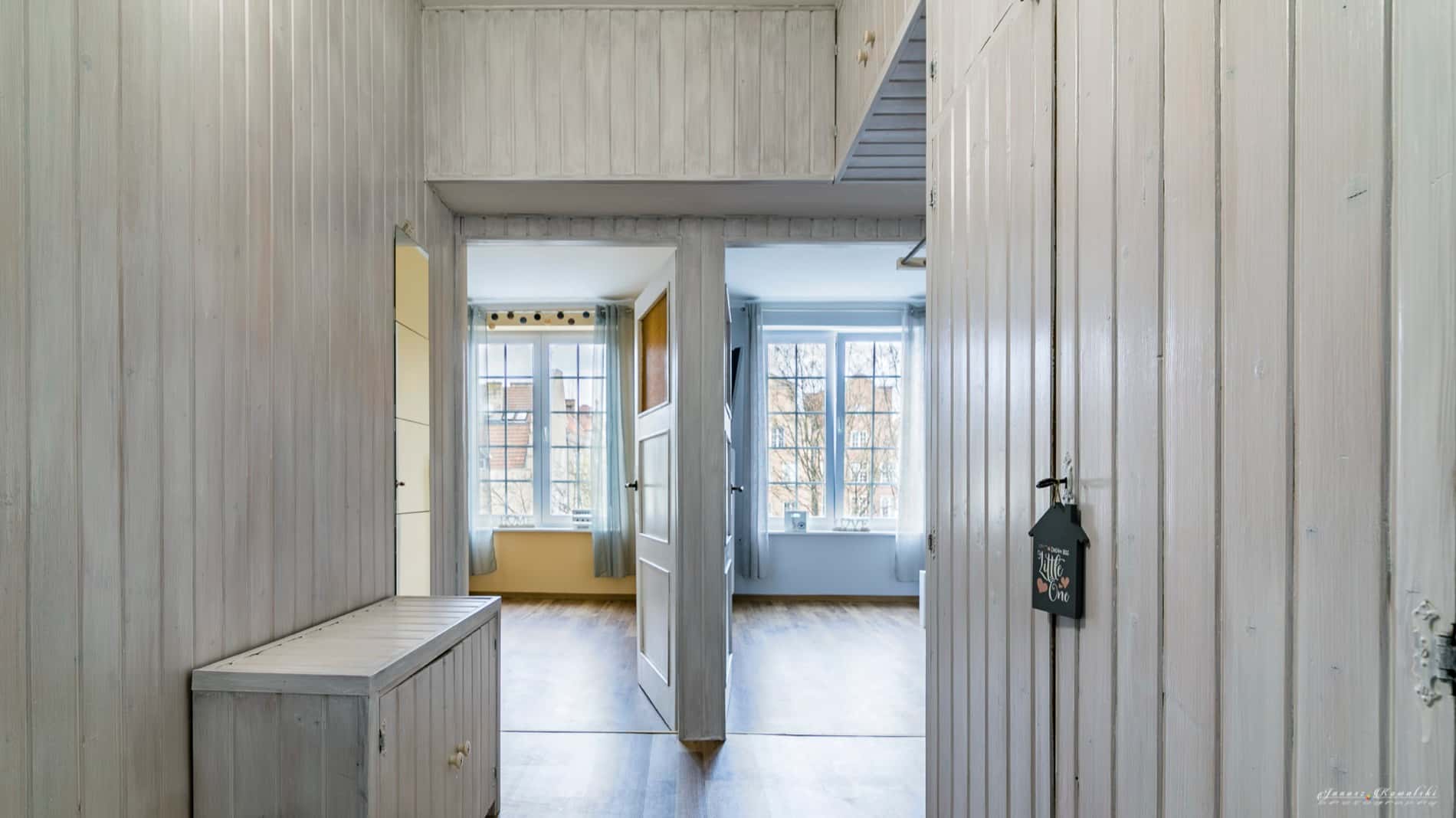
Most of our Athens notes describe places to walk to. This one is different: it is about the street our guests wake up on. Mavromichali climbs from Akadimias, up toward quiet Neapoli and the wooded foot of Lycabettus, along the eastern edge of Exarchia — the student and intellectual quarter of Athens. Many of our one-bedrooms sit at number 52, partway up the hill.
A quarter with opinions, not a postcard.
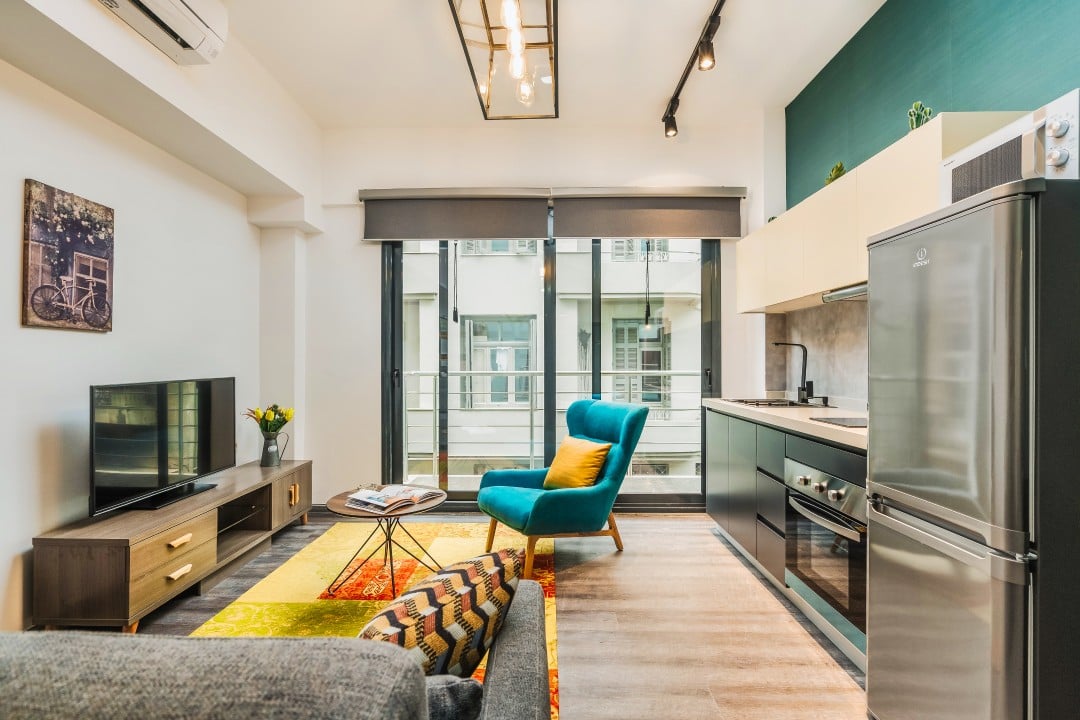
This has been the home ground of students, publishers and printers for decades, and the shelves bear it out: independent bookshops, bookbinders, second-hand stores, small publishing houses, record shops. Down at the bottom of the hill, where Asklipiou meets Akadimias, Politeia keeps roughly a hundred thousand titles across its specialised rooms — one of the biggest bookshops in Athens, and a genuine reference point of the city's reading life. A few minutes west into the grid, where Valtetsiou crosses Mavromichali, the café crowds spill into the street; in the old kafeneia, Greek coffee still arrives beside a backgammon board.
We should be plain about the quarter's character, because the character is the point. Exarchia is bookish and political, which also means graffitied walls and the occasional demonstration — slogans and murals in roughly equal measure, gathering around certain dates. On 17 November 1973, a tank broke through the gate of the Athens Polytechnic nearby, ending the student uprising against the military junta; at least twenty-four people were killed, and Greece marks the date every year. The quarter carries that memory seriously. Most days, though, it is simply a student neighbourhood doing its shopping.
Uphill, the register softens. Neapoli — one of the city's older quarters — climbs quietly toward the pines, and on Saturday mornings Kallidromiou becomes a laiki: the farmers' market under orange tarps, with seasonal fruit and vegetables, fish, olives, honey. Bring cash and go early. Strefi Hill rises right off the market street, a former quarry planted between the wars and given to the city in the sixties, its winding paths ending at terraces that look across to the Acropolis and over to Lycabettus. And Lycabettus itself stands directly overhead — walkers take the wooded paths up from Neapoli, or round the hill to the little funicular on the Kolonaki side, for the widest view in Athens.
This is not the Athens of the postcards — Plaka and its marble are a pleasant walk away when you want them. It is the Athens that reads, argues and does its Saturday shopping, and waking up inside it is rather the point of staying with us. Ask us for our own corners of the street; we keep it all year.